

Enjoy Gaming Excellence Daily with Rocketon Game in Canada
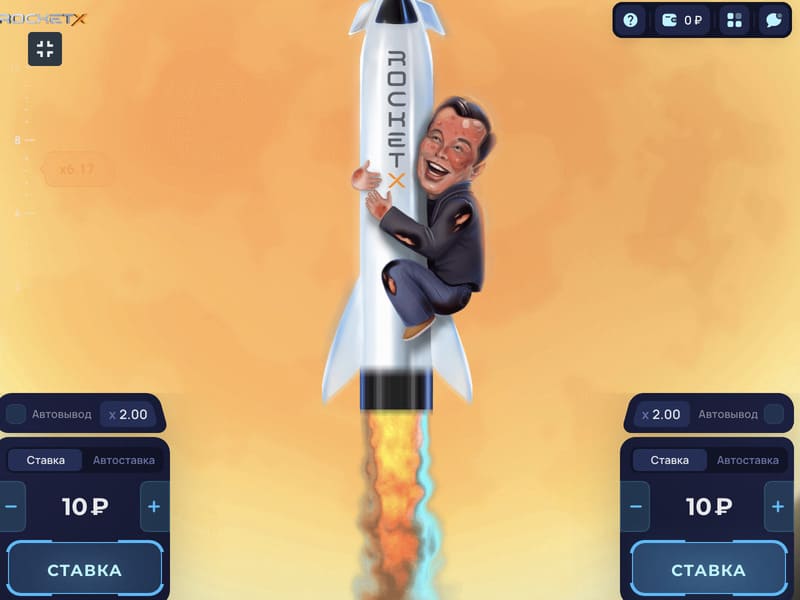
Engaging with Canada’s digital games, I’ve learned that the best ones offer something you look forward to every single day. That’s the role Rocketon Game occupies. It’s not a game you consume and forget; it’s a place you return to, a reliable part of your routine. The design focuses on making excellence easy to attain, giving Canadian players a polished, engaging habit that feels fresh and comfortable each time they log in. This daily practice turns into a pillar of your downtime, adding a welcome bit of structure and something to anticipate, which many bigger, aimless games often are missing.
What Defines the Rocketon Game Journey?
Rocketon Game’s attraction comes from its mechanics. The action feels natural right away, attracting fresh players but holding enough complexity to keep veterans interested. That daily cycle is the core of the adventure. It creates a satisfying pace that asks for regular visits without ever feeling like homework. In a market filled with options, this balance is everything. Retaining players means respecting their time and delivering fun, reliably. You learn by doing, and the immediate reaction from your actions creates confidence fast.
Visuals counts just as much. The screen is clean, the controls work exactly when you expect them to, and this allows you concentrate on playing without struggling with the menus. That technical refinement means every session, whether a quick five minutes or a longer break, runs without issues. For a game you intend to play daily, that absence of trouble is non-negotiable. The style is colorful and easy to read, with clear cues for everything you do, from collecting a reward to finishing a tricky challenge.
At its heart, the game’s cycle is direct. You might nurture a little world that shifts daily, or face a set of riddles that reset themselves every morning. This central job is fulfilling on its own. What makes it exceptional are the layers wrapped around it: the goals, the prizes, the little story beats. Nothing appears out of place or too intense. The whole product works in unison, ideal for short, focused bursts that still leave you sensing like you accomplished something.
The Daily Interaction Framework: An In-Depth Examination
Rocketon Game’s daily structure is its standout feature https://aviacasino.games/rocketon/. I like how it builds your progress around regular check-ins, with new goals and incentives that refresh on a fixed cycle. This gives every visit a clear point, converting a casual session into a bite-sized, achievable mission. For Canadians managing busy schedules, it’s the perfect bite-sized gaming snack. It understands that time comes in fragments, and it offers a thorough, satisfying arc within those intervals.
The daily challenges go beyond just showing up. They’re smartly crafted to prompt you into testing different corners of the game. I’ve discovered they often push me to experiment with a strategy or a feature I’d overlooked, which broadens my skills. This smart design stops the schedule from becoming boring. „Daily excellence“ remains a evolving objective, not an meaningless catchphrase. One day the task could be about hoarding supplies rapidly, the next about holding a stronghold, teaching you to adjust.
- Organized Daily Goals: Each day brings a hand-picked set of fresh objectives that direct your session and award you specific prizes. They are not arbitrary; they often stick to weekly topics, like „Efficiency Week“ or „Exploration Week,“ bringing a broader sense of development.
- Progressive Login Rewards: A calendar system that provides you improved rewards for visiting consecutive days, reinforcing the habit. The rewards combine basic tokens with uncommon gear essential later on, so that seventh-day prize always comes across like a big win.
- Temporary Challenges: Unique challenges that appear next to the regular daily tasks, injecting a burst of special, time-sensitive gameplay. These often tie in with holidays or times of year, like a „Winter Carnival“ with its distinctive style and mechanics, adding a joyful spirit to the daily grind.
- Collective Targets: Shared daily aims where the efforts of all combine to unlock bonus rewards for the whole player base. This fosters a feeling of massive cooperation without forcing you into head-to-head rivalry against fellow gamers.
The behavioral structure here is sharp. By giving you a clear, finishable list, it caters to our fundamental desire for closure and success. The reset every new day is a clean slate, with no remnants from previous errors, which makes re-engaging feel optimistic. The system has been tuned to feel supportive, not harsh, and that’s a primary cause Canadian players stay engaged.
Accessibility and Speed for Canadian Users
Canada is a vast country with wildly different geography, so technical access can’t be an afterthought. I’ve tried Rocketon Game on various connections, from city centers to more remote spots, and it holds up reliably. The developers fine-tuned it to run well without demanding the newest, most expensive hardware, a thoughtful move for a national audience. It also uses very little data, a vital point for players on limited mobile plans, which are typical from province to province.

You can access the game through standard web platforms, which means immediate access. No giant downloads, no consuming your device’s storage. This low floor is a big plus. It allows someone in Vancouver and someone in St. John’s start playing with the same ease, building a national community that enjoys the same smooth performance. The game loads fast even on older browsers, showing how lean the code is.
The localization warrants a mention too. It’s more than just translating words. The game includes little nods and sensibilities that click with Canadians, from seasonal events timed to our holidays to full English and French language support that doesn’t break the layout. This care makes the game feel like it was made here, not just shipped over. Customer support also works on our time zones, so help is there when most Canadians are playing.
On the practical side, the game stays stable during the busy evening hours across Eastern and Pacific times. You don’t see lag spikes or crashes when everyone’s logging on after work or school. That reliability creates trust. Players know their daily session will be there for them, which is utterly essential for a game built on habit. This technical backbone is the quiet, crucial foundation for everything else.
Tactical Complexity Behind the Accessible Surface
Rocketon Game is simple to begin, but it conceals real strategic weight as you progress. I’ve spent whole sessions just testing different tactics, and the game’s systems enable that kind of experimentation. Management of resources, strategic foresight, making adaptive choices—these are all stitched into the daily loop, and they give you benefits for being strategic. Deciding whether to use a rare item for a quick daily boost or save it for a bigger weekly target is a persistent, interesting calculation.
This depth is why the game alive over months. A title that’s merely superficial bores me quickly. Here, the strategy layer provides a motive to reflect on the game when I’m away from it, scheming my next move. That mental hook is the sign of a design that respects its players’ intelligence, including the clued-in Canadian gaming crowd. Advanced mechanics roll out slowly, aligning with your growing skill, so the complexity comes across as a benefit, not a wall.
The strategy operates on multiple tiers. There’s an economic side, calculating the best way to turn common materials into rare ones. There’s a logistics side, deciding the optimal order to complete daily tasks to catch bonus multipliers. There’s even a personal meta-strategy in planning which days of the week to go all out versus performing upkeep, based on your own schedule. This builds a rich web of decisions that are completely optional but deeply fulfilling if you get involved, giving a real sense of control over your progress.
On Canadian gaming forums and other online spaces, you’ll find whole communities dissecting these strategic layers. Players post optimized daily routes, debate the long-term value of certain rewards, and discuss strategies for upcoming events. This player-led dissection serves as the best evidence of the game’s hidden richness. It turns the solitary daily act into part of a bigger, collective puzzle, bringing a social and intellectual layer to the routine that few daily games are able to do.
The role of Group and Social Elements
Games today exist in isolation, and Rocketon Game smartly integrates social features that support the daily grind. I perceive these tools designed to promote a sense of shared purpose, not aggressive opposition. You can watch the community’s general advancement, post your small wins, and reap benefits from team achievements. This builds a constructive, low-pressure social atmosphere. You realize people are playing alongside you, but your progress doesn’t demand their loss.
For the Canadian mindset, which often lean toward polite cooperation, this design works. The group features feel helpful, aligning with a culture that appreciates togetherness. It changes the experience from a solo activity into a gently collaborative experience, where your personal everyday contribution adds to a wider, collective achievement. That makes the daily process become more meaningful and intertwined. Being able to gift extra resources to a fellow player or give a „like“ to their significant daily accomplishment adds a bit of friendliness without any heavy obligation.
- Begin with your everyday personal goals. Lock down your core rewards and move your own progress forward. This is your foundational task for steady advancement.
- Then, check the shared goal meter. Handle tasks that help boost that collective number up. Picking jobs that also complete your personal list is the wise play—you help everyone while helping yourself.
- Following that, look at any special event challenges. Determine if they match with what you’re already doing. These usually offer exclusive rewards, so folding them into your main workflow earns you the most from your time.
- Lastly, spend your earned resources on your long-term plans before you log off. That might mean acquiring a permanent upgrade or stashing a special currency for a future update, solidifying the gains from your daily work.
The game also helps smaller communities emerge through features like alliances or guilds, where little groups of players pursue private shared goals. These mini-groups often become focal points for exchanging tips and recognizing each other’s wins, much like a local club or team. In a expansive country like Canada, these digital spaces can forge a real sense of belonging and shared interest that spans the physical distance.
Critically, the social pressure is kept low. No public leaderboard shames you for missing a day, and the group goals are set so a reasonable amount of community effort can reach them. This keeps the social parts from becoming a source of stress, maintaining the vibe positive and encouraging. The community functions as a gentle backdrop, not a harsh spotlight, which suits perfectly with the game’s philosophy of respectful, daily play.
The Reason Rocketon Game Connects with Canadian Gaming Tastes
Considering Canada’s digital entertainment preferences, a few values are prominent: quality, reliability, and fairness. Rocketon Game fits because it delivers these consistently. Its daily model provides a reliable framework, its performance is dependable across the nation’s variety of internet services, and its strategic depth presents a fair challenge that adequately rewards your time and smart play. The game appears carefully built, not slapped together, which aligns with a national taste for thoughtful design and things that last.
The game also stays away from pushy monetization. I find that matches a preference for clear value. Canadian players often appreciate a game that seems a fair trade—their time for good entertainment. Rocketon Game comes across as a daily hobby, not a high-pressure job, slotting perfectly into the lives of players who want a dependable, high-quality gaming session as part of their day. When you can spend money, it’s generally for convenience or cosmetics, not raw power, which maintains the field level.
There’s a cultural fit with balance and moderation too. The game fosters a healthy habit—a limited, satisfying visit—instead of encouraging endless grinding. This resonates with lifestyles that often value work-life balance and mindful screen time. The design quietly suggests, „Here’s your great gaming moment for today,“ and then enables you to walk away feeling content. It’s a welcome change from games built to trap your attention forever. It matches the Canadian rhythm, with its clear seasons and love for the outdoors, by being the perfect indoor companion.
Finally, the game’s overall look and tone are positive and light. It avoids overly dark or violent themes. This wide appeal allows it to be common ground for a big demographic, from students to professionals to retirees, all finding their own pace within the same system. That inclusivity represents the Canadian mosaic, and you notice it in the game’s varied and growing player base. It operates by being a unifying digital pastime that centers on shared, positive engagement over going it alone or competing against others.
The Future: The Future of Daily Gaming Routines
The achievement of games like Rocketon Game signals a change in what players anticipate. I think gaming’s future will place more importance on these seamless daily experiences that manage a player’s time with care. The trick for developers will be to evolve inside this box, introducing new layers without disrupting the basic, accessible core that makes daily play viable and entertaining for so many. We’ll likely see more tailoring, where daily goals gently adjust to suit how you like to play and what you’ve done before.
For Rocketon Game itself, the next steps means paying attention to its community and discovering creative ways to enhance the daily offerings. Observing current trends, I foresee more tailored daily objectives, seasonal stories integrated deeper into the routine, and possibly more refined cooperative tools. The objective will be to maintain that vital balance of new excitement and familiar comfort that characterizes the best daily gaming habits for players in Canada and elsewhere. Integrating with other platforms or smart devices might let the daily ritual extend in new, seamless directions.
The notion of „gaming excellence“ itself is changing. It’s less about pure graphical power or massive worlds, and more about consistent, fulfilling engagement. A game you genuinely want to come back to every day, one that leaves you content after each visit, has done something unique. It becomes a positive ritual, a small pocket of trustworthy joy in a chaotic world. That ritual aspect holds real psychological power, delivering stability and a subtle sense of success.
I can see the daily gaming model spreading to other genres. The concepts of easy-to-learn depth, thoughtful time investment, and light social connection could apply for story-driven adventures, creative applications, or educational sims. The main takeaway from Rocketon Game’s success is that excellence can come in steady, manageable pieces. This approach views the player as a person with a full life beyond the screen. That might be the most important and appreciated shift in game design for the Canadian market, and for everyone else.

Otkupna stanica Vladejic